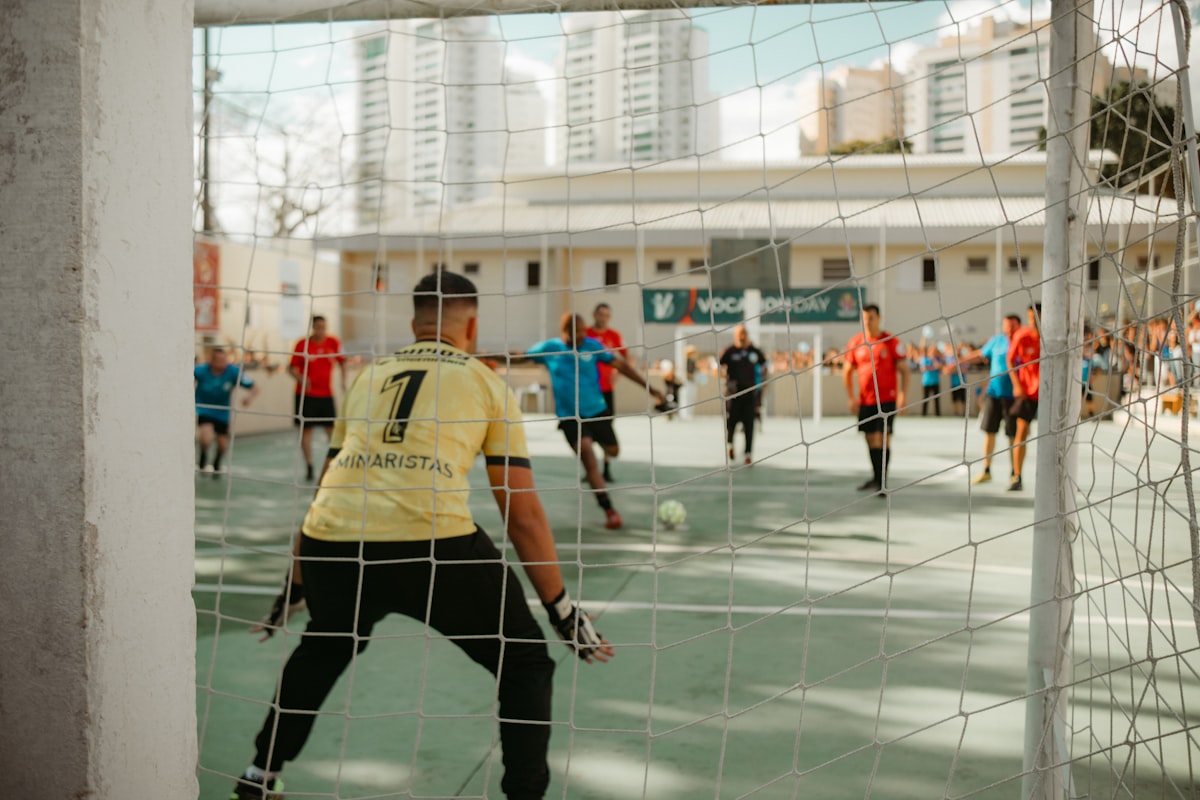
Group F is the group where tactics command more than individual talent. The Netherlands has the best squad, but Japan has the most sophisticated system. Sweden brings Nordic discipline and Tunisia brings African defensive solidity. There’s no overwhelming favorite nor a clear weak link. Each match will be decided by tactical details, not by vast level differences.
This is the group that tactical analysts will enjoy most of the entire tournament.
Netherlands: the dilemma of talent without definitive system
Ronald Koeman has at his disposal a generation with extraordinary talent across all lines. The problem is that the Netherlands hasn’t found a system that consistently maximizes that talent. At Euro 2024 they reached the semifinals but with irregular football that raised doubts about project solidity.
The classic Dutch 4-3-3 remains the base, but Koeman has experimented with 3-4-3 variants that don’t always work. Tactical uncertainty could be a problem against rivals with more defined systems.
Tactical analysis by nation
Netherlands: talent seeking balance
The Oranje has Cody Gakpo, Xavi Simons, Virgil van Dijk, Frenkie de Jong, and a squad any national team would envy. The problem isn’t talent—it’s balance. When the Netherlands attacks with all resources, defense gets exposed. When it prioritizes solidity, the attack loses fluidity.
Van Dijk as defensive leader brings experience and hierarchy. De Jong as the pivot has the quality to control the midfield, but his physical level after recurring injuries is a question mark.
Tactical key: The Netherlands wins when the match is played at high tempo with spaces for Gakpo and Simons. They lose when the opponent closes lines and forces them to attack a low block without patience.
Japan: the Asian machine
Japan is probably the tournament’s most underrated squad. Hajime Moriyasu has built a coordinated high-pressing system with players who are starters in Europe’s top leagues: Mitoma (Brighton), Kubo (Real Sociedad), Kamada, and Endo as the pivot reference.
The Japanese 4-2-3-1 is a pressing machine: low PPDA, ball recovery in the opponent’s half, and rapid transitions with the wingers. In AFC qualifying, Japan has dominated overwhelmingly. The question is whether that level translates against first-tier European rivals.
Tactical key: Japan can beat the Netherlands if the pressing connects and forces errors in Dutch ball progression. The weakness is defensive aerial play and lack of incisiveness in final offensive decisions.
Sweden: discipline without stars
Sweden returns to the World Cup without Ibrahimovic and without a comparable individual star. What they bring is what they always bring: organization, tactical discipline, and ability to compete for every ball. The Swedish 4-4-2 is compact and difficult to break down.
Alexander Isak as the lead striker brings the offensive quality the team needs. His Premier League form makes him one of the group’s most dangerous forwards.
Tactical key: Sweden wins the ugly matches—those of set pieces, second balls, and counters. Against teams dominating possession, their offensive capacity drops significantly.
Tunisia: the African wall
Tunisia was Africa’s most defensively solid team at Qatar 2022, drawing with Denmark and France (without stars) and losing narrowly only to Australia. Jalel Kadri’s squad prioritizes organization over individual talent.
A compact 4-5-1 in defense that shifts to 4-3-3 when in possession. Strength lies in defense; weakness in goal creation.
Tactical key: Tunisia can draw against anyone but struggles to win matches. They need rivals to make mistakes to create chances.
xG projections and expected results
| Match | Projected xG | Most Likely Result |
|---|---|---|
| Netherlands vs Tunisia (J1) | NED 2.0 — TUN 0.6 | Netherlands wins 2-0 |
| Japan vs Sweden (J1) | JPN 1.6 — SWE 1.1 | Japan wins 2-1 |
| Netherlands vs Japan (J2) | NED 1.4 — JPN 1.5 | Draw 1-1 |
| Tunisia vs Sweden (J2) | TUN 0.9 — SWE 1.2 | Draw 0-0 or Sweden wins |
| Netherlands vs Sweden (J3) | NED 1.8 — SWE 0.9 | Netherlands wins 2-0 |
| Japan vs Tunisia (J3) | JPN 1.9 — TUN 0.7 | Japan wins 2-0 |
Projections based on qualifying cycle form, updated FIFA rankings, and systems analysis.
Projected standings
| Pos. | Nation | P | W | D | L | GF | GA | Pts |
|---|---|---|---|---|---|---|---|---|
| 1st | Netherlands | 3 | 2 | 1 | 0 | 5 | 1 | 7 |
| 2nd | Japan | 3 | 2 | 1 | 0 | 5 | 2 | 7 |
| 3rd | Sweden | 3 | 0 | 1 | 2 | 2 | 5 | 1 |
| 4th | Tunisia | 3 | 0 | 1 | 2 | 1 | 5 | 1 |
Netherlands-Japan tiebreaker: favors Netherlands on goal difference.
Conclusion: the group that could produce the tournament’s biggest surprise
The Netherlands qualifies as first in the most likely scenario, but Japan is perfectly capable of beating them in the head-to-head. If that happens, the roles invert and the Oranje could find itself with a much tougher round of 16 draw.
Sweden and Tunisia will fight for the points that give them third-place aspirations. Sweden has more offensive power with Isak, but Tunisia is harder to break down.
Final prediction: Netherlands qualifies as group winners. Japan as second. But if Japan wins the head-to-head, they could perfectly lead the group.
More about Netherlands at World Cup 2026 | Japan at World Cup 2026 | World Cup 2026 Hub