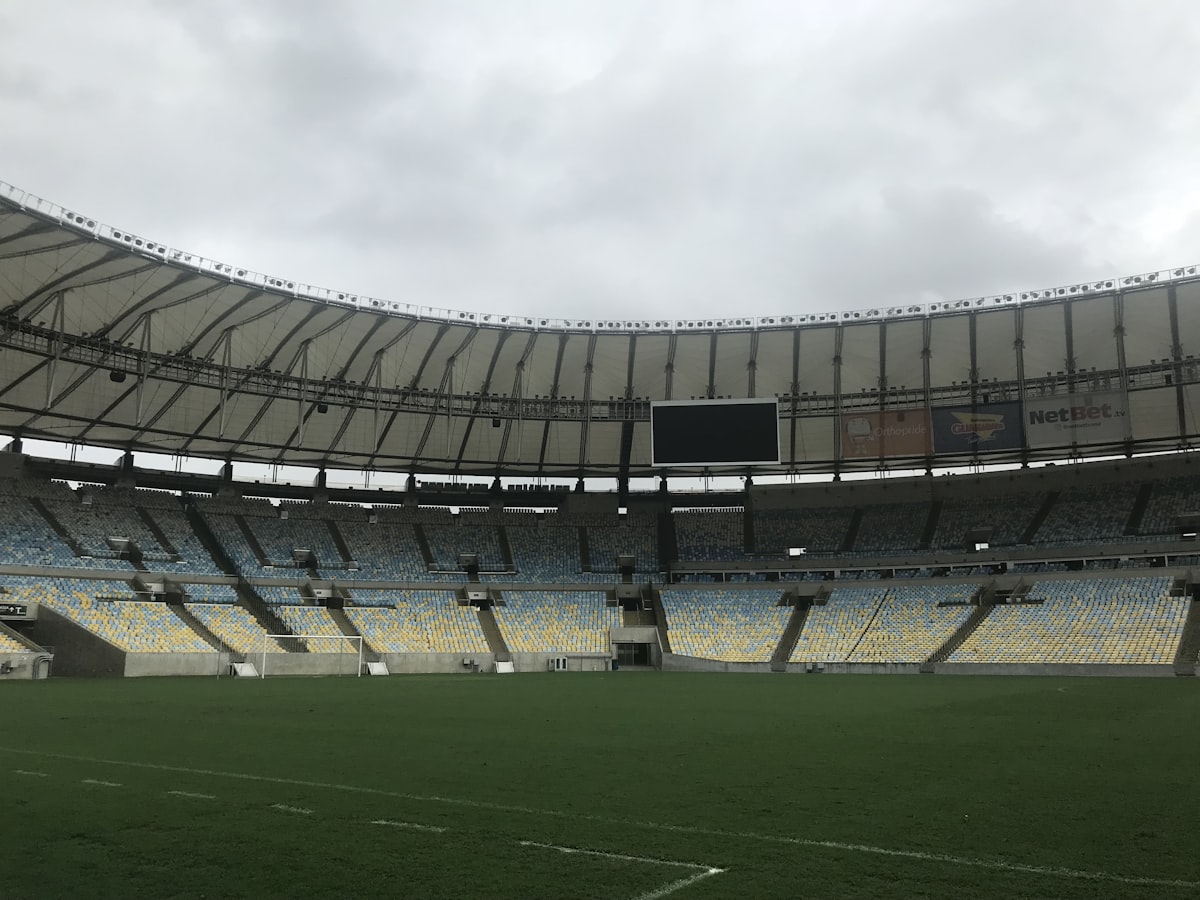
Brazil hasn’t won the World Cup since 2002. That’s twenty-four years of frustration. Vinicius Júnior (Real Madrid) is now one of the three best players on the planet—every bit as capable as Mbappé or Bellingham of carrying a team. Neymar at 34 will likely play his last World Cup, still magical despite age and injuries. Rodrygo (Real Madrid) has emerged as a genuine alternative on the wing. This is the moment. This is the squad. Brazilian football history says the Seleção always finds a way. But 2002 was a lifetime ago.
O Brasil de Novo
Goalkeeping: Alisson (Liverpool) is elite—one of the five best keepers in the world. Strong hands, excellent distribution, calm in chaos. Ederson (Manchester City) on the bench is arguably better with the ball; backup duty for him is fine. Brazilian goalkeeping is historically a strong point.
Defense: Marquinhos (Paris Saint-Germain) is the leader—intelligent, technically gifted, capable of playing center-back or right-back. Thiago Silva at 40 may finally retire (he’s been saying this for five years), opening space for younger defenders like Éder Militão (Real Madrid). Alex Sandro (Juventus) at left-back is aging but still functional. Danilo (Juventus) provides experience. On the right, Brazil needs to settle on Vanderson (AS Monaco) or continue rotating.
Midfield: Lucas Paquetá (West Ham) is the engine—technically excellent, stamina for days, can arrive in the box with purpose. Bruno Guimarães (Newcastle United) provides steel and progression. Vinícius Sousa (Flamengo) or a similar type provides defensive cover. The Brazilian midfield is about creativity meeting physicality—the balance is improving.
Attack: Vinicius Júnior (Real Madrid) on the left is mandatory—elite ball-carrying, elite finishing, elite mentality. Rodrygo (Real Madrid) can play right or left, giving tactical flexibility. Neymar (Al-Hilal) is the #10, still capable of genius even if age and injuries have taken a toll. Gabriel Barbosa (Flamengo) or Pedro (Flamengo) are the center-forward options—neither is Pelé or Ronaldinho, but both are clinical.
O Dilema Brasileiro
Neymar’s final chapter: Will he have the legs to impact the tournament, or is he a 15-minute substitute providing moments of magic? His availability—physical and mental—is the biggest variable.
The striker problem: Barbosa and Pedro are good. Neither is great. Neither is a Ronaldo or Ronaldinho. Brazil’s historic advantage up top is blunted if the #9 isn’t elite.
Defense under pressure: Marquinhos is excellent, but the supporting cast is aging or untested. Can Brazil’s back four hold up against elite attacks in knockout rounds?
Balancing possession and physicality: Modern Brazil plays differently than 2002 or 1970. They’re less about samba and more about press resistance. Does that work in North America’s quick-paced tournament?
Probable 26-Man Squad
Goalkeepers (3): Alisson, Ederson, Bento Sanchez
Defenders (8): Marquinhos, Thiago Silva, Éder Militão, Alex Sandro, Danilo, Vanderson, Emerson Royal, Bremer
Midfielders (8): Lucas Paquetá, Bruno Guimarães, Vinícius Sousa, Casemiro, Philippe Coutinho, Fred, Jorginho, Gustavo Scarpa
Forwards (7): Vinicius Júnior, Rodrygo, Neymar, Gabriel Barbosa, Pedro, Vinícius Ribeiro, Antony
Note: Official roster announced in May. This projection updates with confirmed callups in Phase 2.
Brazil at World Cup 2026: The Narrative Demands
| Strength | Risk |
|---|---|
| Vinicius Jr. as elite two-way threat | Striker depth and lethality |
| Marquinhos defensive leadership | Neymar’s age and fitness |
| Paquetá + Guimarães midfield steel | Defense in one-on-one situations |
| Tactical flexibility and rotation | Pressure and expectation (24 years) |
The Verdict
Brazil is the sleeping dragon. They’re not favorites (that’s France), but they’re the team I’d least want to face in a quarterfinal. Vinicius Jr. is genuinely world-class—capable of dragging a team forward when possession breaks down. The midfield has intelligence. The defense is solid if not spectacular.
But Brazil’s biggest enemy is history. Twenty-four years is an eternity in football. The pressure is immense. The expectation is astronomical. Neymar’s presence is both a blessing and a curse—he can change a game, but at 34 after injuries, he’s not the same player who was elite at PSG.
If Vinicius stays healthy and sharp, if Neymar’s magic returns in moments that matter, if the strikers finish their chances—then Brazil is a genuinely dangerous World Cup candidate. But “if” is the word that haunts the Seleção.
Expected finish: Semifinals (realistic). Brazil has the weapons to go deep, but executing a World Cup run after two decades requires more than talent. It requires luck, timing, and a protagonist moment (Vinicius Jr.’s). They have the ingredients. Whether they have the recipe is the question.